
All Types of Racks for Residential, Commercial, and Industrial Applications
The Growing Importance of Rack Systems in Modern Spaces
All Types of Racks have become essential components of modern storage planning as space efficiency and organization continue to influence productivity and safety. From compact homes to large-scale industrial facilities, racks provide structured solutions for managing items of different sizes and weights. As storage needs diversify, understanding rack varieties helps users avoid inefficient setups and costly replacements. A well-chosen rack system improves accessibility, supports workflow, and ensures that available space is used to its full potential.
Understanding What Defines All Types of Racks
All Types of Racks are defined by their structural design, load capacity, material composition, and intended use. Some racks prioritize heavy load support, while others focus on flexibility or aesthetics. The differences may appear subtle, but selecting the wrong rack type can lead to instability or underutilized space. A clear understanding of rack classifications allows users to align storage solutions with real-world demands, ensuring safety, durability, and long-term performance.
Shelving Racks and Their Everyday Utility
Shelving racks are among the most commonly used storage systems across homes and offices. They feature horizontal shelves supported by vertical frames, making them ideal for storing boxes, files, tools, and household items. Adjustable shelving adds flexibility, allowing users to change shelf height as storage needs evolve. Within All Types of Racks, shelving racks stand out for their simplicity, ease of installation, and wide applicability in both personal and professional environments.
Pallet Racks for High-Volume Storage
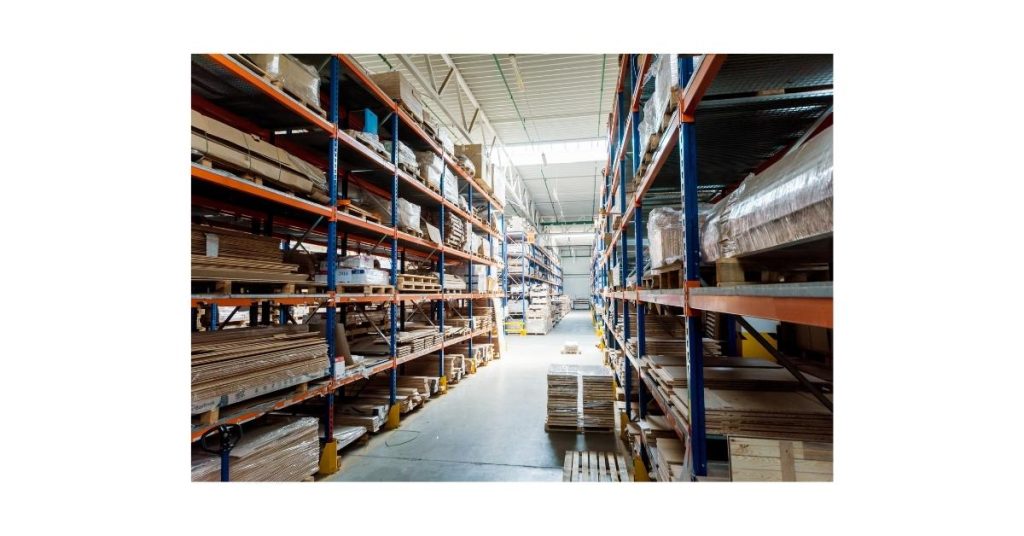
Pallet racks are designed for warehouses and distribution centers where bulk storage is essential. These racks support palletized goods and allow forklifts easy access for loading and unloading. Structural strength and precise spacing are critical to their design. Among All Types of Racks, pallet racks represent high-capacity solutions that prioritize efficiency and vertical space utilization, making them indispensable in logistics-driven operations.
Cantilever Racks for Long and Irregular Loads
Cantilever racks are specifically engineered for storing long or bulky items such as pipes, lumber, and metal bars. Unlike traditional racks, they use horizontal arms extending from vertical columns, eliminating front obstructions. This design allows easy access and flexible load placement. Within All Types of Racks, cantilever systems address storage challenges that standard shelving cannot accommodate safely or efficiently.
Wall-Mounted Racks for Space Optimization
Wall-mounted racks are ideal for environments where floor space is limited. Commonly used in garages, kitchens, and workshops, these racks keep items elevated and accessible. By utilizing vertical wall areas, they improve organization without interfering with movement. Wall-mounted options highlight how All Types of Racks can adapt to compact spaces while maintaining functionality and order.
Mobile Racks and Their Flexibility Advantage
Mobile racks are mounted on tracks or wheels, allowing entire storage units to move laterally. This design maximizes storage density by reducing the need for fixed aisles. Libraries, archives, and retail backrooms often rely on mobile systems for space efficiency. Among All Types of Racks, mobile racks offer unmatched flexibility for environments where storage demands frequently change.
Heavy-Duty Racks for Industrial Strength
Heavy-duty racks are built to withstand extreme loads and continuous use. Typically constructed from reinforced steel, they are used in factories, warehouses, and construction sites. These racks are engineered with strict load ratings and safety considerations. As part of All Types of Racks, heavy-duty systems prioritize strength, stability, and compliance with industrial standards.
Light-Duty Racks for Domestic and Office Use
Light-duty racks cater to lower load requirements and are often used in homes, offices, and small retail spaces. They are easy to assemble and relocate, making them suitable for dynamic environments. Despite their lighter construction, these racks play an important role within All Types of Racks by offering affordable and adaptable storage solutions for everyday needs.
Modular Rack Systems and Customization
Modular rack systems allow users to expand, reduce, or reconfigure storage layouts without replacing entire units. Components such as shelves, beams, and connectors can be adjusted to meet changing requirements. This adaptability makes modular systems a preferred choice for growing businesses and evolving households. Within All Types of Racks, modular designs emphasize long-term flexibility and cost efficiency.
Material Variations Across All Types of Racks
Materials significantly influence rack performance and longevity. Steel racks offer high load capacity, aluminum racks resist corrosion, and plastic racks provide lightweight and moisture-resistant options. Wooden racks are often chosen for aesthetic appeal in residential settings. Understanding material properties helps users select suitable options across All Types of Racks based on environment, load, and maintenance expectations.
Safety and Load Management Considerations
Safety is a critical factor when working with All Types of Racks. Load limits, anchoring methods, and even weight distribution must be carefully managed. Improper use can result in structural failure or accidents. Following manufacturer guidelines and conducting routine inspections ensures racks remain stable and safe under regular use.
Maintenance Practices for Rack Longevity
Regular maintenance extends the lifespan of rack systems. Inspections for loose fasteners, bent components, or corrosion help prevent sudden failures. Cleaning and timely repairs maintain both appearance and performance. Regardless of category, All Types of Racks benefit from proactive care that protects structural integrity and operational reliability.
Selecting the Right Rack Type for Your Needs
Choosing among All Types of Racks requires evaluating space constraints, load requirements, and usage frequency. Residential users may prioritize aesthetics and flexibility, while commercial operators focus on efficiency and safety. Accessing structured information from resources like All Types of Racks helps users compare options and make informed decisions based on practical considerations rather than assumptions.
Cost Efficiency and Long-Term Value
While initial cost is often a deciding factor, long-term value depends on durability and adaptability. Investing in the right rack type reduces replacement frequency and maintenance expenses. High-quality rack systems often deliver better returns through improved organization and reduced operational inefficiencies. Understanding All Types of Racks allows buyers to balance budget constraints with performance expectations.
Sustainability and Responsible Storage Choices
Sustainable storage solutions focus on durability, recyclability, and modular design. Racks that last longer and adapt to new uses reduce waste and environmental impact. Many modern systems are designed with sustainability in mind, reinforcing the relevance of All Types of Racks in responsible space management strategies.
Emerging Trends in Rack Design
Advancements in materials and engineering continue to influence rack design. Lightweight composites, smart load monitoring, and automated integration are shaping future systems. Staying updated through platforms like All Types of Racks helps users anticipate trends and invest in solutions that remain relevant as storage demands evolve.
Why Understanding All Types of Racks Matters
Understanding All Types of Racks empowers users to create efficient, safe, and adaptable storage environments. Each rack type serves a specific purpose, and informed selection ensures optimal performance across residential, commercial, and industrial settings. By aligning storage solutions with real-world needs, users achieve better organization, enhanced safety, and long-term value from their storage investments.