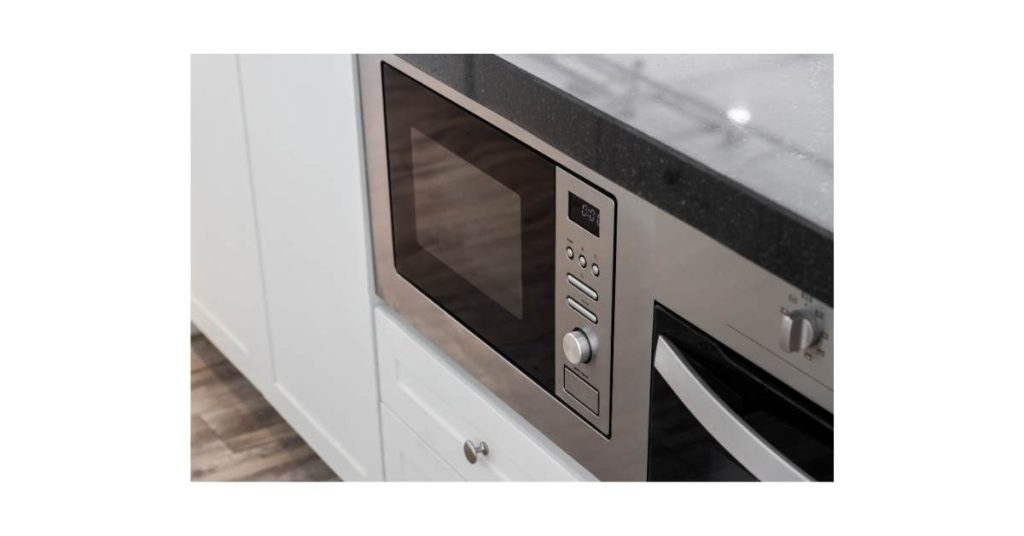
Kitchen Cabinets as the Foundation of a Functional and Elegant Kitchen
Kitchen Cabinets define how a kitchen looks, feels, and functions on a daily basis. More than any other element, cabinets influence storage efficiency, workflow, and overall design harmony. While countertops and appliances attract attention, cabinets quietly determine whether a kitchen remains organized and comfortable over time. Choosing the right cabinet style, finish, and construction method is therefore not a decorative decision alone but a long-term investment in usability and home value.
Modern kitchens rely on cabinets to balance aesthetics with performance. From accommodating cookware to concealing appliances, cabinets support daily routines while reinforcing the kitchen’s visual identity. Understanding how cabinet choices impact durability, maintenance, and layout clarity helps homeowners make confident, informed decisions that stand the test of time.
The Structural Role Cabinets Play in Kitchen Design
Cabinets are not just storage boxes attached to walls. They form the structural framework that supports countertops, integrates appliances, and defines movement zones. Poor cabinet planning can disrupt workflow, while well-designed cabinetry improves efficiency by aligning storage with cooking habits.
Base cabinets anchor the kitchen and must support weight from countertops and appliances. Wall cabinets influence accessibility and visual balance, while tall pantry cabinets maximize vertical space. Together, these components create a cohesive system that shapes how the kitchen operates. When cabinets are thoughtfully selected, they enhance both comfort and safety during daily use.
Cabinet Materials and Their Long-Term Impact
Material choice directly affects cabinet longevity and performance. Solid wood remains popular for its strength and natural appearance, while engineered wood products offer cost efficiency and dimensional stability. Plywood construction is often preferred for durability, whereas particleboard may suit lighter-duty applications when properly sealed.
Surface finishes also matter. Painted cabinets provide a clean, contemporary look but require quality primers and sealers to resist moisture. Stained wood emphasizes grain character and often hides minor wear more effectively. Choosing materials aligned with kitchen humidity, usage intensity, and maintenance expectations ensures cabinets remain functional and attractive for years.
Door Styles and Visual Influence
Cabinet door style sets the tone for the entire kitchen. Shaker doors offer timeless versatility, fitting both traditional and modern spaces. Flat-panel doors support minimalist aesthetics and are easy to clean, while raised-panel designs add depth and formality.
Beyond appearance, door construction influences durability. Five-piece doors allow natural wood movement, reducing warping over time. Hardware selection further enhances usability, with soft-close hinges and full-extension slides improving everyday experience. Thoughtful door and hardware choices elevate cabinets from basic storage to refined design elements.
Storage Efficiency and Interior Organization
Effective cabinets do more than hide clutter; they actively support organization. Interior configurations such as pull-out shelves, drawer dividers, and corner solutions reduce wasted space and improve access. Deep drawers for pots, vertical tray storage, and built-in spice racks align storage with real cooking habits.
Modern cabinet systems prioritize ergonomics. Reducing the need to bend or reach improves comfort and accessibility, especially in high-use kitchens. When interior layouts are customized to lifestyle needs, cabinets become intuitive tools rather than passive containers.
Color Choices and Their Psychological Effect
Cabinet color significantly influences kitchen atmosphere. Light colors create openness and reflect natural light, making smaller kitchens feel larger. Darker tones add depth and sophistication but require balanced lighting to avoid heaviness.
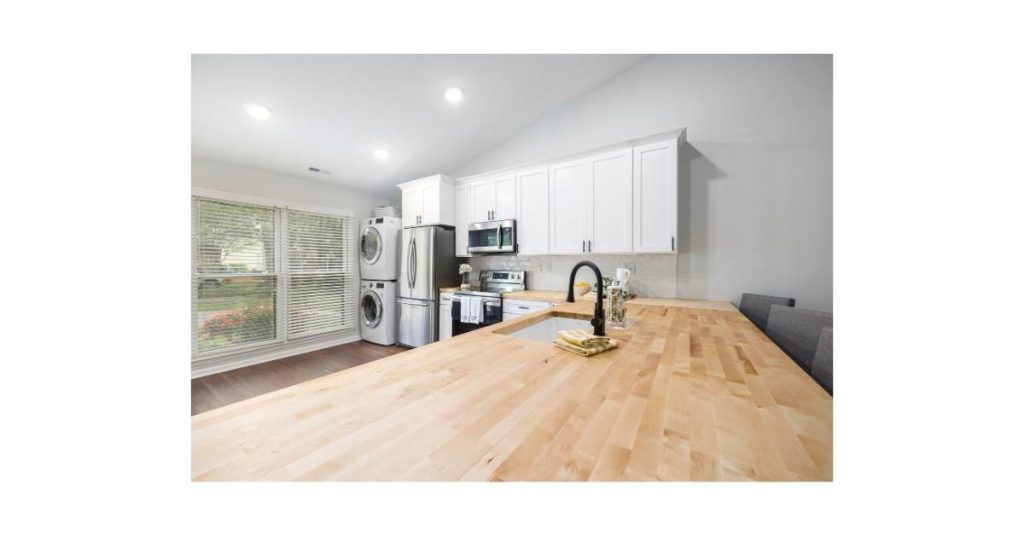
Neutral cabinet colors remain popular due to their longevity and adaptability. White and off-white finishes, in particular, continue to dominate kitchen design because they pair well with various countertops and backsplashes. Selecting timeless colors for cabinets allows other elements to evolve without requiring full renovation.
Paint Quality and Finish Performance
Painted cabinets demand careful attention to finish quality. Kitchens expose cabinets to heat, moisture, and frequent handling, making durability essential. High-quality paints with proper curing resist chipping and discoloration.
The finish sheen also affects maintenance. Satin and semi-gloss finishes balance elegance with cleanability, while matte finishes require more care. Understanding how paint performance interacts with daily use helps homeowners choose finishes that maintain appearance without constant upkeep. Exploring expert guidance on Kitchen Cabinets can clarify how color and finish choices impact longevity and style.
Custom, Semi-Custom, and Stock Cabinets
Cabinet selection often involves deciding between custom, semi-custom, and stock options. Stock cabinets offer affordability and quick availability but limited sizing flexibility. Semi-custom cabinets provide more choices in dimensions and finishes, striking a balance between cost and personalization.
Custom cabinets deliver complete design freedom, accommodating unique layouts and storage needs. While they require a higher investment, they maximize space efficiency and design cohesion. Understanding these categories helps homeowners align cabinet choices with budget, timeline, and design goals.
Installation Quality and Structural Integrity
Even the best cabinets fail to perform if poorly installed. Proper leveling, secure fastening, and accurate alignment ensure doors function smoothly and countertops remain stable. Installation quality also affects visual symmetry, especially with multi-cabinet runs.
Professional installation reduces long-term issues such as sagging doors or uneven gaps. It also ensures cabinets integrate correctly with appliances and plumbing. Investing in quality installation protects the cabinet investment and supports consistent performance over time.
Cabinets and Home Resale Value
Kitchen renovations consistently rank among the most valuable home improvements. Cabinets play a central role in buyer perception because they signal both style and functionality. Well-maintained, thoughtfully designed cabinets can significantly enhance resale appeal.
Neutral colors and classic styles tend to attract broader buyer interest. Cabinets that show minimal wear communicate quality and care. For homeowners considering future resale, cabinet choices should balance personal preference with timeless design principles to maximize return on investment.
Maintenance and Daily Care
Proper care extends cabinet lifespan and preserves appearance. Regular cleaning with mild solutions prevents grease buildup and surface damage. Avoiding excessive moisture and promptly addressing spills protect finishes and structural components.
Hardware maintenance also matters. Periodic tightening of hinges and drawer slides ensures smooth operation. Simple habits reduce wear and keep cabinets functioning as intended. When maintained correctly, quality cabinets remain reliable for decades.
Sustainability and Responsible Cabinet Choices
Sustainability has become an important factor in cabinet selection. Environmentally responsible materials, low-VOC finishes, and efficient manufacturing processes reduce environmental impact. Choosing cabinets designed for longevity also minimizes waste over time.
Many manufacturers now prioritize sustainable sourcing and safer finishes. These choices benefit both indoor air quality and long-term environmental health. Cabinets that align with sustainability goals offer peace of mind alongside performance.
Integrating Cabinets with Overall Kitchen Design
Cabinets should harmonize with countertops, backsplashes, flooring, and lighting. Consistent proportions and finishes create visual flow, while contrast adds interest when used intentionally. Coordination ensures the kitchen feels cohesive rather than fragmented.
Lighting plays a supporting role, highlighting cabinet features and improving task visibility. Under-cabinet lighting enhances functionality while showcasing finishes. When cabinets integrate seamlessly with surrounding elements, the kitchen achieves both beauty and efficiency.
Making Informed Cabinet Decisions
Selecting cabinets requires balancing aesthetics, performance, and budget. Understanding materials, finishes, and construction methods empowers homeowners to make choices that align with lifestyle needs. Cabinets are long-term fixtures, and informed decisions prevent costly revisions later.
Resources that analyze color performance, finish durability, and design compatibility provide valuable guidance. Detailed insights on Kitchen Cabinets help homeowners navigate complex choices with confidence and clarity.
Cabinets as a Long-Term Investment
Kitchen cabinets represent one of the most impactful investments in a home. They influence daily routines, storage efficiency, and overall satisfaction with the kitchen space. Well-chosen cabinets support both practical needs and aesthetic aspirations.
By focusing on quality materials, thoughtful design, and proper installation, homeowners create kitchens that remain functional and attractive for years. Cabinets are not merely background elements; they are the foundation upon which successful kitchens are built, shaping how the space is used and enjoyed every day.