Sofa for Office or Home Interior Comfort and Design
A Sofa for office or home plays a central role in shaping comfort, functionality, and visual harmony within any interior environment. Whether placed in a professional reception area or a residential living room, the right sofa creates an inviting atmosphere while supporting daily use. Modern lifestyles demand furniture that balances relaxation with durability, making sofas an essential investment rather than a decorative afterthought.
In both offices and homes, sofas serve as multifunctional seating solutions. They support casual meetings, waiting areas, family gatherings, and moments of rest. Choosing the appropriate sofa requires thoughtful consideration of space, usage patterns, material quality, and design aesthetics to ensure long-term satisfaction and performance.
The Growing Importance of Versatile Sofa Design
Versatility is a defining characteristic of contemporary sofa design. Today’s interiors often blend work and living spaces, increasing the need for adaptable furniture. A sofa designed for both office and home use meets this requirement by offering professional appeal alongside domestic comfort. Clean silhouettes, neutral colors, and ergonomic proportions allow seamless placement across different environments.
In offices, sofas enhance reception areas and informal meeting zones, creating a welcoming impression for visitors. In homes, they anchor living spaces and provide comfort for everyday activities. This dual-purpose functionality makes sofas a practical and strategic choice for modern interiors.
Differences Between Residential and Office Sofa Requirements
Although sofas may appear similar, their requirements vary between offices and homes. Office sofas prioritize durability, easy maintenance, and professional appearance. They are often used by multiple individuals throughout the day, requiring robust construction and resilient upholstery.
Home sofas, on the other hand, emphasize comfort and personal style. Softer cushioning and relaxed designs are common, supporting extended lounging and family use. A sofa suitable for both settings balances these needs, combining comfort with durability and refined aesthetics.
Comfort and Ergonomics in Sofa Selection
Comfort is a primary factor when choosing a sofa for office or home use. Ergonomic design ensures proper support for the back, shoulders, and legs, reducing discomfort during extended sitting. Well-designed seat depth and backrest angles contribute to a relaxed yet supportive seating experience.
In office environments, ergonomic sofas encourage informal collaboration without sacrificing posture. At home, ergonomic comfort enhances relaxation and well-being. Selecting a sofa with balanced cushioning and supportive structure ensures consistent comfort across different usage scenarios.
How Cushioning and Support Affect Daily Use
Cushion density plays a significant role in sofa comfort. High-density foam maintains shape over time, providing consistent support even with frequent use. Softer cushions may feel comfortable initially but can lose structure quickly, leading to discomfort.
Backrest support is equally important. A supportive backrest promotes proper posture and reduces strain on the lower back. For both office and home settings, a sofa that offers balanced cushioning and firm support delivers lasting comfort and usability.
Material Choices and Durability
Material selection directly impacts the durability and appearance of a sofa. Common upholstery options include fabric, leather, and synthetic blends. Each material offers distinct advantages depending on environment and usage frequency.
Fabric sofas provide warmth and versatility, making them suitable for homes and relaxed office spaces. Leather and faux leather options offer a polished, professional look and are easier to clean, making them ideal for office reception areas. Choosing the right material ensures the sofa withstands daily use while maintaining its visual appeal.
Comparison of Common Sofa Upholstery Materials
| Upholstery Type | Comfort Level | Durability | Maintenance |
| Fabric | High | Medium | Moderate |
| Genuine Leather | Medium-High | Very High | Easy |
| Faux Leather | Medium | High | Easy |
| Blended Fabric | High | High | Easy |
This comparison helps users align material choice with practical needs and aesthetic preferences.
Sofa Size, Layout, and Space Planning
Proper space planning ensures that a sofa enhances rather than overwhelms an interior. Measuring available space is essential before selecting a sofa for office or home use. Compact sofas suit smaller rooms and offices, while larger sectional designs work well in spacious living areas.
In offices, sofas should allow easy movement and maintain clear walkways. In homes, layout considerations include proximity to coffee tables, entertainment units, and windows. Thoughtful placement maximizes comfort and functionality while maintaining visual balance.
Design Aesthetics and Interior Harmony
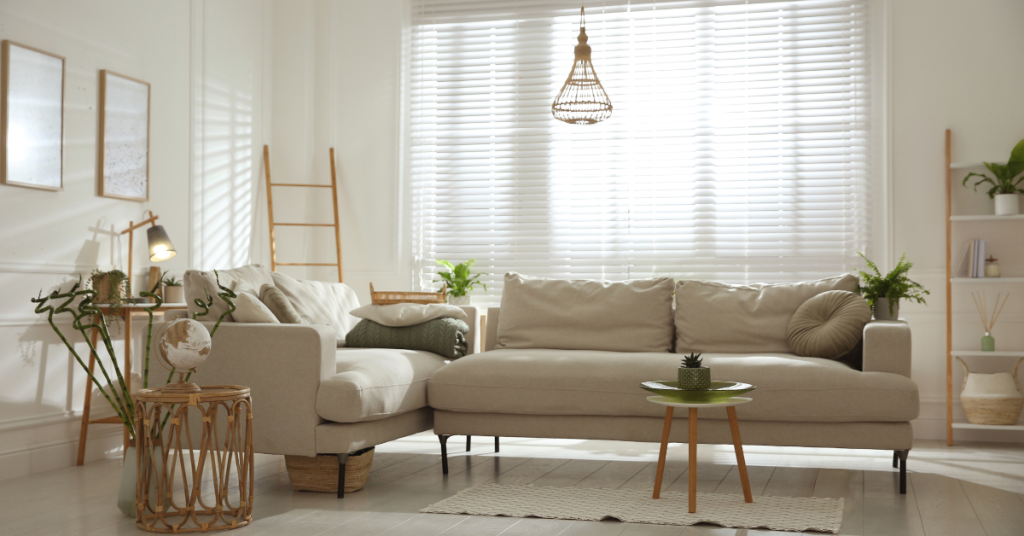
A sofa significantly influences the overall design language of a space. Neutral tones such as gray, beige, and black are popular for their versatility across office and home settings. Minimalist designs with clean lines blend easily with modern interiors, while textured fabrics add warmth and character.
In professional environments, understated elegance reinforces brand image and professionalism. At home, design choices reflect personal style and comfort preferences. Selecting a sofa that complements existing décor ensures a cohesive and harmonious interior.
Functional Uses in Office Environments
In offices, sofas serve multiple functional purposes beyond seating. Reception sofas create a welcoming first impression, while lounge sofas support informal meetings and collaboration. These spaces encourage relaxed discussions and creative thinking, contributing to a positive work culture.
Durability and maintenance are key considerations in office settings. Sofas designed for high-traffic areas must retain comfort and appearance despite frequent use. Investing in quality construction ensures reliability and long-term performance.
Common Office Applications for Sofas
- Reception and waiting areas
- Informal meeting spaces
- Executive lounges
- Breakout zones
These applications highlight the importance of selecting sofas that balance comfort, durability, and professional design.
Functional Uses in Home Environments
In homes, sofas are central to daily living. They support relaxation, entertainment, and social interaction. A well-chosen sofa enhances family time and provides comfort after long workdays.
Home sofas often serve as focal points in living rooms, influencing furniture arrangement and décor choices. Selecting a sofa that meets household needs ensures comfort and longevity while enhancing the overall living experience.
Long-Term Value and Cost Efficiency
A sofa for office or home use represents a long-term investment. High-quality construction reduces the need for frequent replacement and ensures consistent comfort over time. Durable frames, quality upholstery, and reliable cushioning contribute to overall value.
Considering long-term usability rather than initial cost leads to better satisfaction. A well-maintained sofa supports daily use across different environments, offering excellent return on investment through durability and comfort.
Finding Reliable Sofa Solutions
Accessing a curated selection of sofas simplifies the decision-making process. A dedicated category allows users to compare designs, materials, and sizes tailored for diverse environments. One reliable option for versatile seating solutions is the Sofa for office or home collection, which offers designs suited for both professional and residential spaces.
Choosing from a specialized range ensures access to sofas designed for comfort, durability, and modern interiors.
Maintenance and Care for Extended Lifespan
Proper maintenance preserves the appearance and comfort of a sofa. Regular cleaning prevents dust accumulation, while prompt stain removal protects upholstery. Fabric sofas benefit from periodic vacuuming, while leather options require conditioning to maintain softness.
Avoiding excessive weight and direct sunlight helps preserve structure and color. With consistent care, a quality sofa maintains its functionality and aesthetic appeal for many years.
Trends Shaping Modern Sofa Design
Modern sofa design emphasizes modularity, sustainability, and ergonomic comfort. Modular sofas allow flexible configurations, adapting to changing space requirements. Eco-friendly materials and responsible manufacturing practices are increasingly valued in both office and home furniture.
Design trends favor simplicity and comfort, ensuring sofas remain versatile and timeless. These developments reflect evolving lifestyles and the need for adaptable furniture solutions.
Final Perspective on Sofa Selection
A sofa for office or home use is a foundational element that influences comfort, functionality, and interior character. By focusing on ergonomics, material quality, size, and design harmony, users can select a sofa that meets both professional and personal needs. A thoughtfully chosen sofa enhances daily experiences, supports long-term use, and contributes to a welcoming, well-balanced environment.